
📚 Reading at Petteril Bank Primary School
“The whole world opened to me when I learned to read.”
🌟 Our Approach to Reading
At Petteril Bank Primary School, we believe that reading is the key that unlocks learning across the curriculum. We are committed to developing fluent, enthusiastic readers who not only can read but choose to read for pleasure. Our comprehensive approach combines systematic phonics teaching, whole-class reading instruction, daily reading practice, and dedicated time for reading enjoyment.
📊 Our Reading Journey
Our consistent approach to teaching reading has led to continually improving outcomes. We are passionate about ensuring all our pupils leave our school secondary reading, reading with fluency and enjoying books.
📚 How We Teach Reading
Early Reading and Phonics
We use the systematic Read Write Inc (RWI) phonics programme to teach early reading skills. Children learn:
- The 44 common sounds in English
- How to blend sounds into words for reading
- How to segment words into sounds for spelling
- How to read words containing taught sounds and ‘tricky words’
Whole-Class Reading Approach
From Year 3 to Year 6, we use a whole-class reading approach that:
- Engages all children with high-quality texts
- Teaches specific reading skills (vocabulary, inference, prediction, explanation, retrieval, and summarizing)
- Develops deeper comprehension through structured discussion
- Enables teachers to model expert reading behaviours
EEF Reading Theatre
We incorporate Reading Theatre techniques from the Education Endowment Foundation to:
- Build reading fluency through repeated readings
- Develop expressive reading and prosody (rhythm, stress, and intonation)
- Enhance comprehension through performance
- Boost confidence and engagement with texts
Children practice reading aloud with expression, working toward fluent, meaningful delivery of text, just as actors rehearse for performance.
Reading Spine
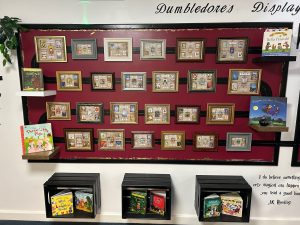
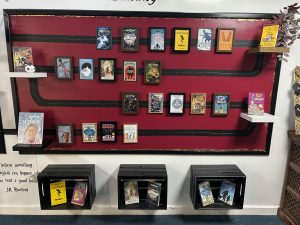
Our carefully curated Reading Spine ensures children experience a rich diet of high-quality literature throughout their time at school. Each year group explores:
- Classic and contemporary fiction
- Poetry from different traditions
- Non-fiction texts linked to curriculum topics
- Diverse authors representing different cultures and perspectives

Individual Reading Practice
All children have regular opportunities to:
- Read one-to-one with adults in school
- Practice with books matched to their reading ability
- Discuss their reading and receive targeted feedback
- Build fluency through regular practice
Reading for Pleasure
Every day includes dedicated time for Reading for Pleasure where:
- Teachers read aloud to model enjoyment and fluency
- Children engage with high-quality literature beyond their independent reading level
- Reading environments celebrate and promote books
- Children develop preferences and reading identities
Madeleine Lindley “Talk Through Stories” Approach
In EYFS through Year 3, we use the Madeleine Lindley Talk Through Stories approach to:
- Build vocabulary through rich picture books
- Develop oral language skills through structured discussion
- Support comprehension through visual literacy
- Foster a love of stories and literature
👨👩👧👦 How Parents Can Support Reading at Home
1️⃣ Daily Reading Practice
- Listen to your child read their school reading book for 10-15 minutes daily
- For early readers, practice sounds and blending using phonics skills
- For developing readers, focus on fluency and expression
- For confident readers, discuss the text and ask questions
2️⃣ Reading Aloud to Your Child
- Continue reading to your child even when they can read independently
- Choose books beyond their reading level to develop vocabulary and comprehension
- Use different voices for characters to make stories come alive
- Talk about stories, discussing characters, plot, and predictions
3️⃣ Supporting Whole-Class Reading at Home
- Ask your child about the class book they’re studying
- Discuss vocabulary from texts using our VIPERS prompt cards (sent home termly)
- Support with any reading homework or pre-reading tasks
- Connect to other books by the same author or on similar themes
4️⃣ Building a Reading Routine
- Establish a regular reading time each day
- Create a comfortable reading environment at home
- Visit the local library regularly to borrow new books
- Let your child see you reading for pleasure
📚 Our Reading Spine: Key Books by Year Group
🌐 Helpful Online Resources
Free Resources
- Oxford Owl – Free eBooks and reading activities
- LoveReading4Kids – Book recommendations and extracts
- BookTrust – Reading tips and book suggestions
- National Literacy Trust – Family reading resources
Apps
- Teach Your Monster to Read
- Epic! Digital Library
- ReadingEggs
- Oxford Reading Buddy

